Why Mulching with Weeds is a Game-Changer in the Dry Season
Learn practical benefits and implementation tips.
What if the very weeds you struggle to remove from your farm could become your greatest asset during the dry season?
Dry seasons present serious challenges for farmers, especially in regions like East Africa:
- Rapid soil moisture loss
- Increased soil temperatures
- Declining soil fertility
- Higher irrigation costs
- Reduced crop productivity
At the same time, weeds continue to grow during rainy periods and are often removed and wasted. This creates a missed opportunity in farm resource management.
Traditional approaches such as burning weeds contribute to soil degradation, nutrient loss, and environmental damage, making farms less resilient over time.
In many farming systems, weeds are seen as a nuisance, something to be uprooted, burned, or discarded. But in a circular agriculture model, weeds are not waste; they are a resource waiting to be repurposed.
As dry seasons become longer and more unpredictable, farmers must adopt smarter, more sustainable practices. One such practice is mulching with weeds, a simple yet powerful solution that conserves moisture, enriches soil, and reduces input costs.
Discover how using mulched weeds during the dry season improves soil moisture, boosts crop yields, and supports sustainable circular agriculture practices.
- Moisture Retention
Mulched weeds act as a protective layer over the soil, reducing evaporation. During the dry season, this helps:
a) Maintain consistent soil moisture.
b) Reduce the need for frequent irrigation.
c) Protect crops from water stress - Soil Temperature Regulation
Bare soil heats up quickly under intense sun, damaging roots and microorganisms. Mulch helps to
a) Keep soil temperatures stable.
b) Create a favourable environment for root development.
c) Support beneficial soil organisms - Improved Soil Fertility
As mulched weeds decompose, they release essential nutrients back into the soil and this
a) Enhances soil structure
b) Improves nutrient availability
c) Reduces reliance on synthetic fertilisers - Weed Suppression
Ironically, weeds can help control other weeds. A thick mulch layer:
a) Blocks sunlight from reaching weed seeds.
b) Reduces new weed growth.
c) Minimises labour for the wedding. - Cost Reduction & Resource Efficiency
Using weeds as mulch eliminates the need for:
a) Purchasing mulch materials.
b) Spending on excessive irrigation.
c) Investing heavily in fertilisers - Circular Agriculture practise
Mulching weeds is a perfect example of circularity:
a) Waste (weeds) becomes input (mulch).
b) Nutrients are recycled within the farm.
c) External inputs are minimised.
It aligns with a closed-loop system where nothing goes to waste.
Tips for Farmers:
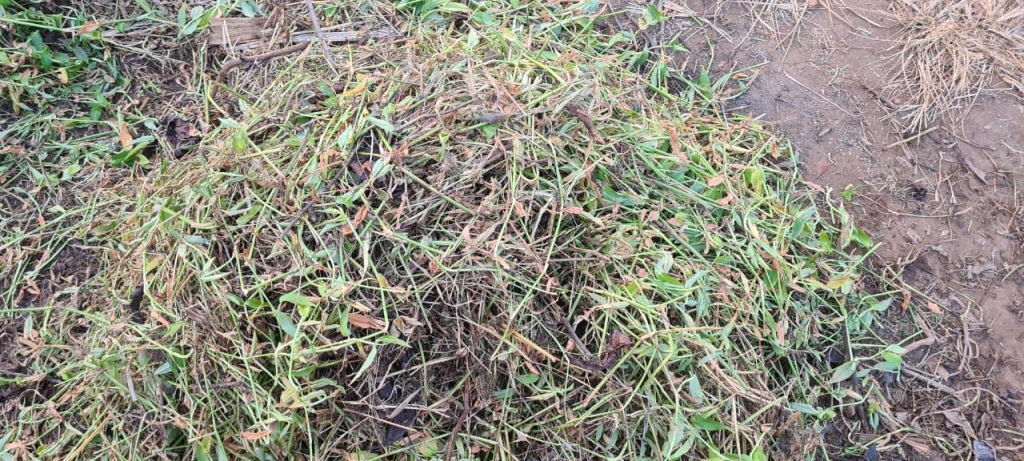
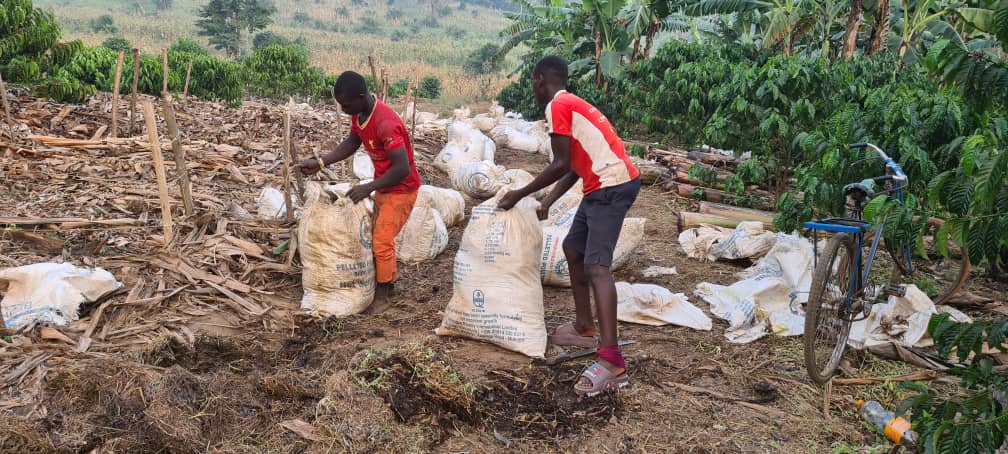
- Don’t use freshly cut weeds because they may grow again in the farm. Let them decompose in a designated area before transferring them to the farm.
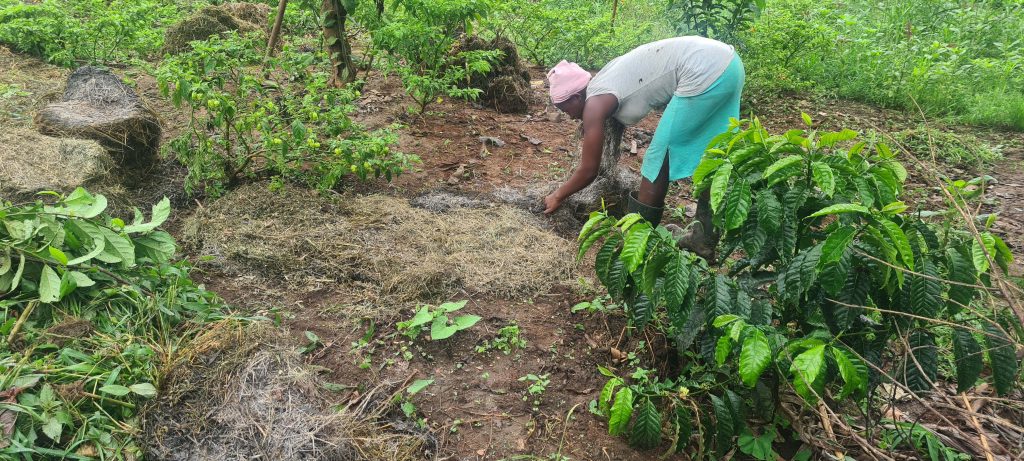
- Spread mulch evenly in the farm, about 5-10cm thick.
- Avoid using diseased weeds as they may transfer the pests to the farm.
- Combine with other organic materials (like crop residues or manure) for better results.
Conclusion
In the face of climate change and increasing resource constraints, farmers must rethink their approach to waste. Weeds, once considered a burden, can become a powerful tool for resilience and productivity.
By adopting the best mulching practices during the dry season, farmers not only protect their crops but also build healthier soils, reduce costs, and contribute to a more sustainable agricultural system.
Start small, don’t throw those weeds away. Turn them into mulch, observe the difference in your soil and crops, and join the movement toward circular agriculture, where every resource counts and nothing goes to waste.