
Why Ripe Chilli Matters in Circular Chilli Sauce Production.
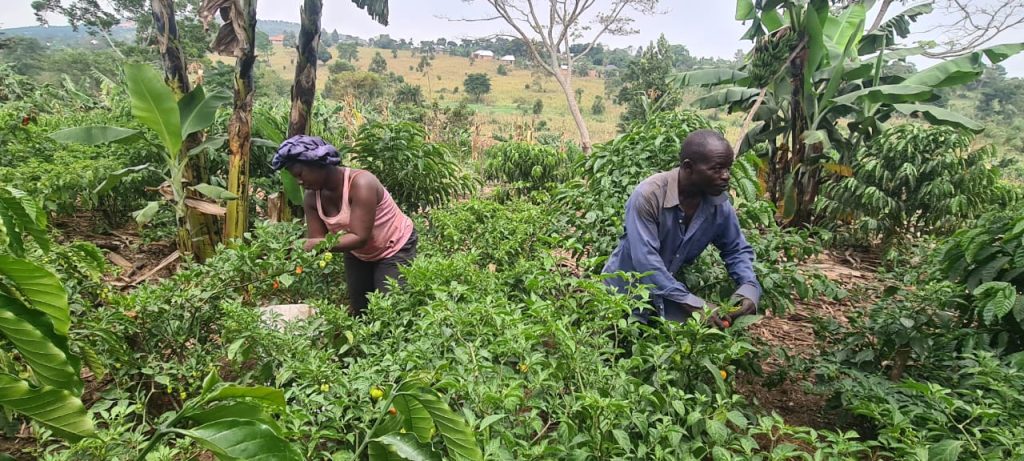
The difference between an average chilli sauce and an exceptional one often begins long before processing; it starts at harvest
In chilli sauce production, quality is not created in the factory alone. It is built on the farm through careful selection of raw materials(chilli peppers). One of the most critical yet overlooked practices is harvesting fully ripe, healthy chillies instead of unripe or damaged ones.
For producers embracing circular agriculture, this decision goes beyond taste it directly impacts efficiency, sustainability, product quality, and waste management.
Why Ripe Chilli Is the Right Choice
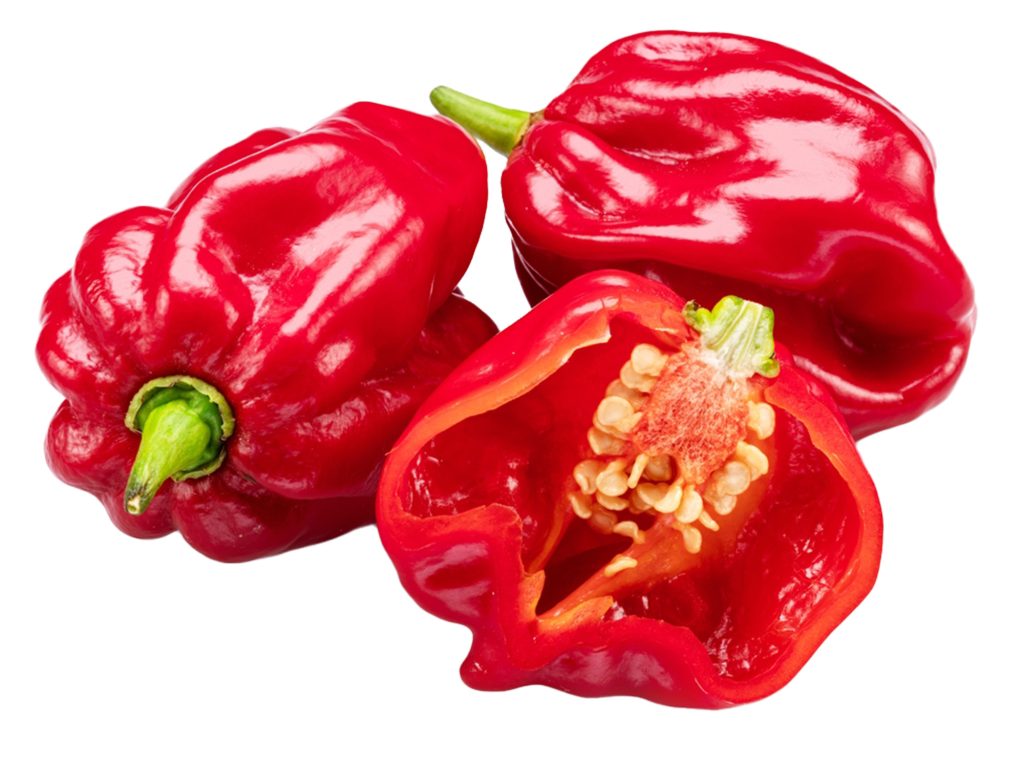
1.Superior Flavor and Color
Ripe chillies have reached their full flavor profile. They offer:
- They are Rich, balanced heat.
- They contain that Natural sweetness.
- They have a Deep, vibrant colour.
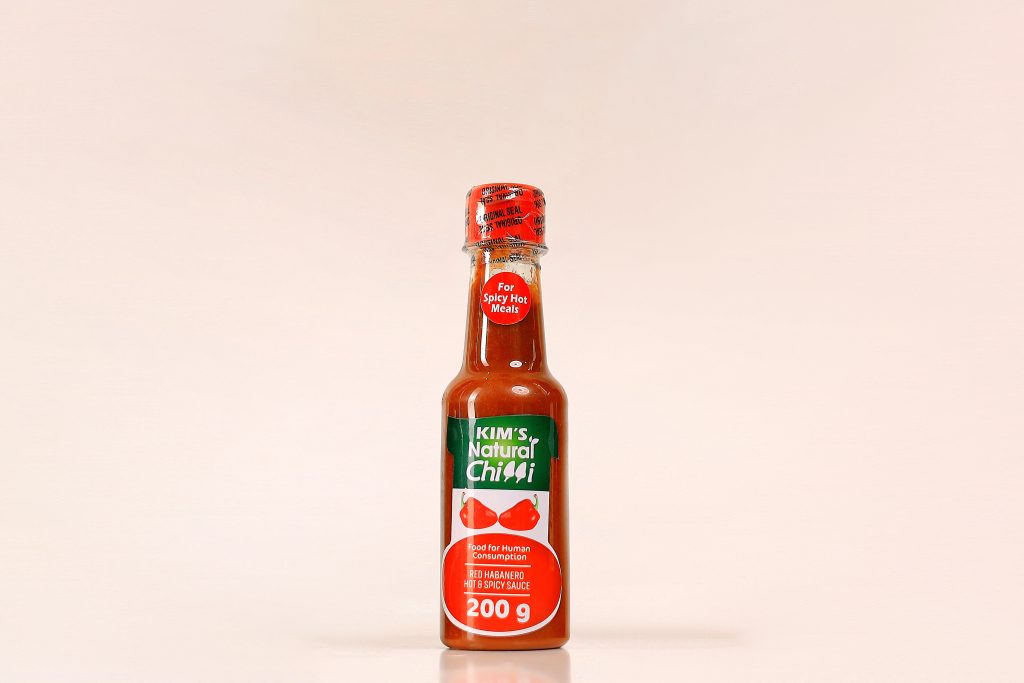
Unripe chillies, on the other hand, often produce:
- They are bitter or harsh flavours.
- They have Inconsistent heat levels.
- They have Dull-colored sauce.
In sauce production, color and taste are everything and both start with ripeness.
2. Higher Nutritional Value
Fully ripened chillies usually contain a high nutritional value, like
- They have More vitamins especially Vitamin C and A
- Contain Better antioxidant levels.
This not only improves the nutritional value of the final product but also enhances its market appeal.
3. Reduced Waste in Circular Systems
Circular agriculture focuses on minimising waste and maximising value. Harvesting damaged or diseased chillies introduces:
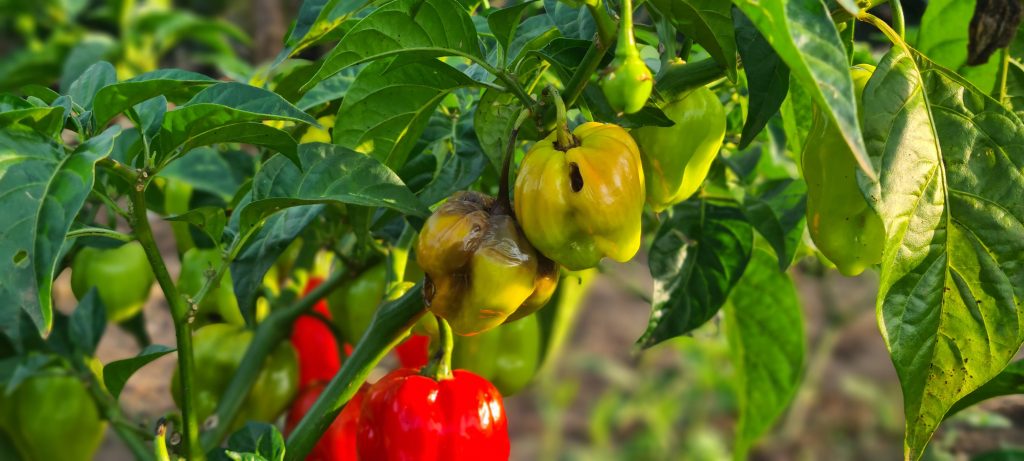
- Increase in Spoilage risks
- Contamination in batches produced from the damaged or diseased chillies
- Increased post-processing waste, especially on the side of circular agricultural practises
By selecting only healthy, ripe chillies:
- Waste is reduced at the source
- By-products are cleaner and more reusable
- The entire system becomes more efficient
4. Stronger Food Safety and Quality Standards
Damaged chillies can carry along
- Fungal infections
- Bacterial contamination
- Toxins that affect product safety
Using high-quality raw materials ensures
- Safer food production
- Longer shelf life
- Consistent product standards
Circular Agriculture Perspective
In circular chilli sauce production, even the leftovers matter
- High-quality chilli residues can be reused to produce chilli oil
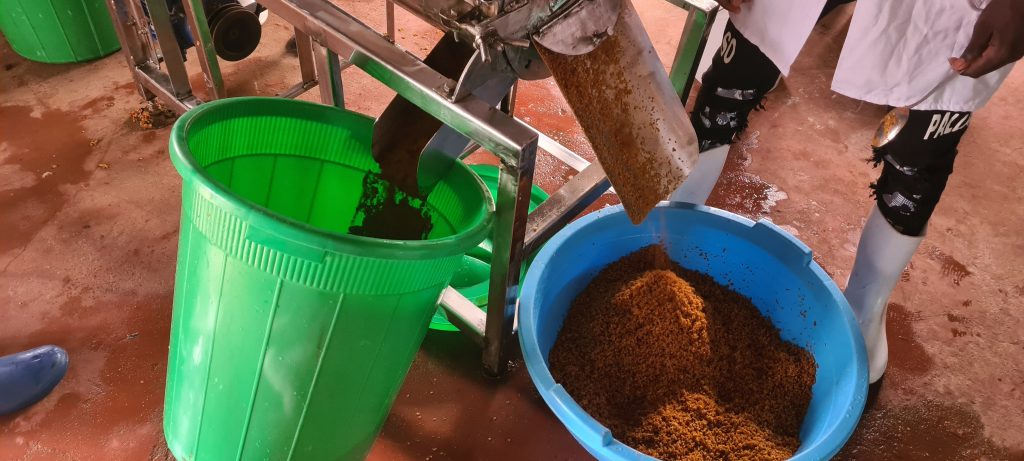
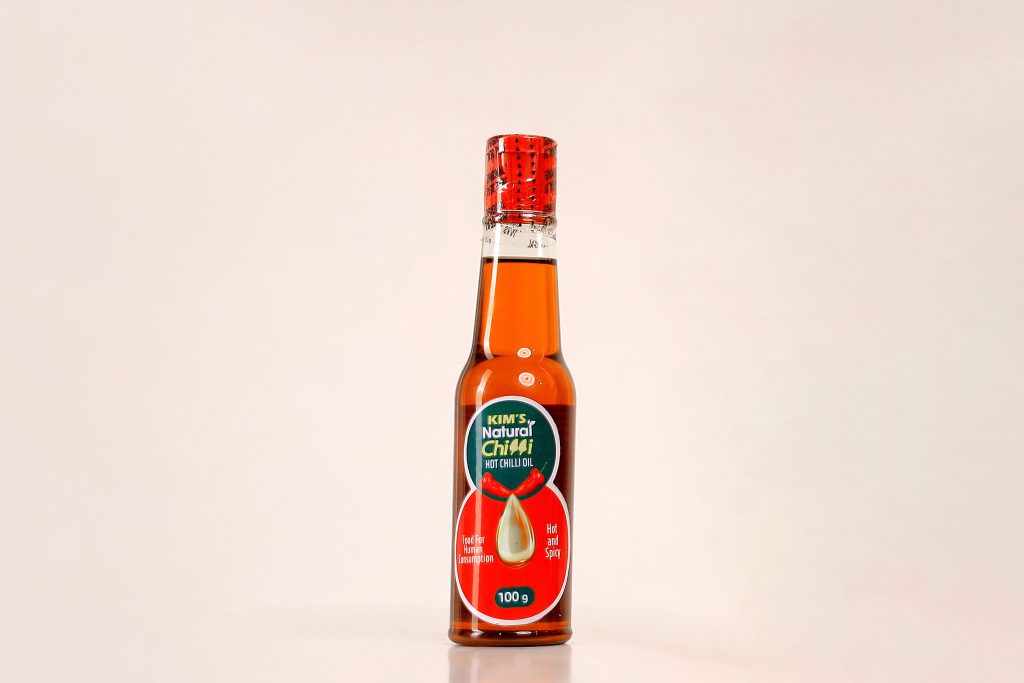
- Organic waste can be composted back into the soil.
- Clean inputs ensure clean outputs across the cycle.
When poor-quality chillies are used, the entire circular chain is weakened from processing to reuse.
lessons learned
Choosing unripe or damaged chillies may seem like a way to increase volume, but it often leads to:
- Lower product quality will affect the market for the product.
- Reduced customer satisfaction due to inconsistent taste and colour.
- Increased waste due to damages.
- Higher production costs in the long run due to replacement in batches.
Best Practice for Farmers and Processors
- Harvest chillies at full maturity ie bright, consistent color
- Avoid damaged, diseased, or overripe chillies.
- Handle chillies carefully to prevent bruising, especially during transportation
- Sort immediately after harvest, don’t wait during the processing stage.
These simple practices significantly improve both product quality and sustainability.
In circular agriculture, every decision has a ripple effect.
Harvesting ripe, healthy chillies is not just a farming practice, it is a quality control measure, a sustainability strategy, and a business decision.
Better inputs lead to better products, stronger circular systems, and more satisfied customers.
Start where it matters most, harvest right.
Invest in better selection practices, train your farmers, and build a circular system that delivers both flavor and sustainability.
Because great chilli sauce doesn’t start in the factory, it starts in the farm.