
Best Irrigation Practices for Farms in Circular Agriculture
Circular Farming Guide: When to Irrigate for Stronger, Healthier Plants
In circular agriculture, success is not only about what we do, but when we do it. One of the most critical yet often overlooked practices is the timing of irrigation.
There are several reasons that timing is important. The most obvious is to avoid evaporation, allowing the plant to access the moisture before the warm air removes it from the soil.
Ideally, target between 5:00 a.m. and 9:00 a.m. to start and finish watering all your garden plants.
Why Irrigation Timing Matters
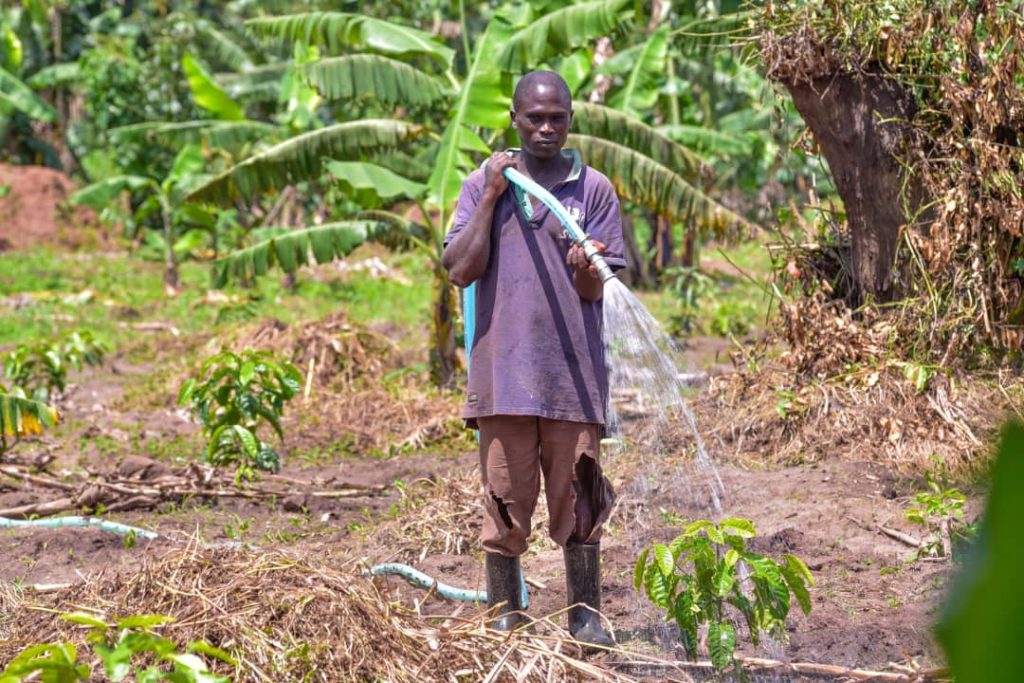
Water is a valuable resource in any agricultural system. In circular practices, where efficiency and sustainability are key, poor irrigation timing can lead to waste, reduced yields, and weakened soil health.
Early Morning (Recommended specifically between 5 a.m. and 9 a.m.)
This is widely considered the best time to irrigate. Here is why.
Maximum water absorption by plants
For Plants to have maximum water absorption, especially during dry seasons, Morning watering is the best compared to evening, as the plant has time to absorb water before the sun goes down. In the evening, water tends to rest in the soil, around the roots, and may cause rot, fungal growth, and insects.
Reduced Evaporation Losses
Heat is at its peak during midday hours, and the plant’s water will evaporate instead of absorbing into the soil and roots. When the sun is out, and the temperature is high, and if your farm soil is dry, the plants are already hydrated and watering during this time, the soil will first absorb the water instead of the plants.
Stronger Root Development
For seedlings that have just been put in the main farm need to be kept moist. They have not yet developed sufficient root systems to gather water from deeper in the soil. They are tender and cannot withstand drying out. It is important to water these plants in the early morning hours so that they can have time to absorb water and adjust to the transplantation process.
Improved nutrient uptake
Plants are most active in pulling in moisture and nutrients through their roots during early morning, preparing for the day’s photosynthesis. Nutrients in the soil are dissolved and moved through the soil more evenly when water is applied early, preventing nutrient deficiencies that lead to yellowing leaves or weak stems.
Late Evening (Alternative Option After 4 p.m.)
Irrigation can also be done in the evening, but with caution, as this is because of lower evaporation rates.
Avoid Midday Irrigation
- Watering during the hottest part of the day causes up to 30–50% of the water to evaporate before reaching the roots.
- Reduced Plant Benefits, due to mineral loss, leaving plants dehydrated and, in the end, they wilt.
- Plant stress due to rapid temperature change, especially watering hot plants, can cause shock to the plants, so it is more effective to water when they are cooler.
Tips for Smart Irrigation
In our circular farming model, irrigation is integrated with other sustainable practices
1. Harvested water
Water from irrigation shouldn’t come from drilled water only. Harvested water during the wet season can be used perfectly during irrigation to avoid expenses
2. Mulching
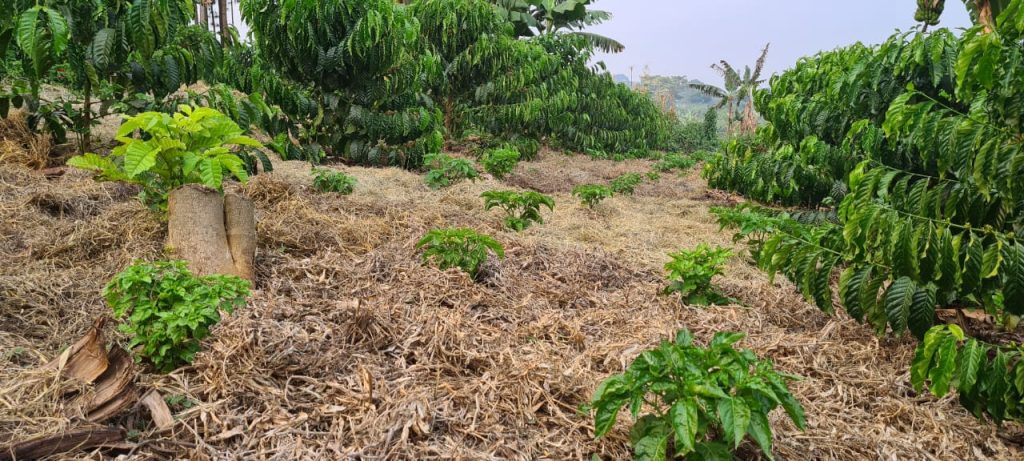
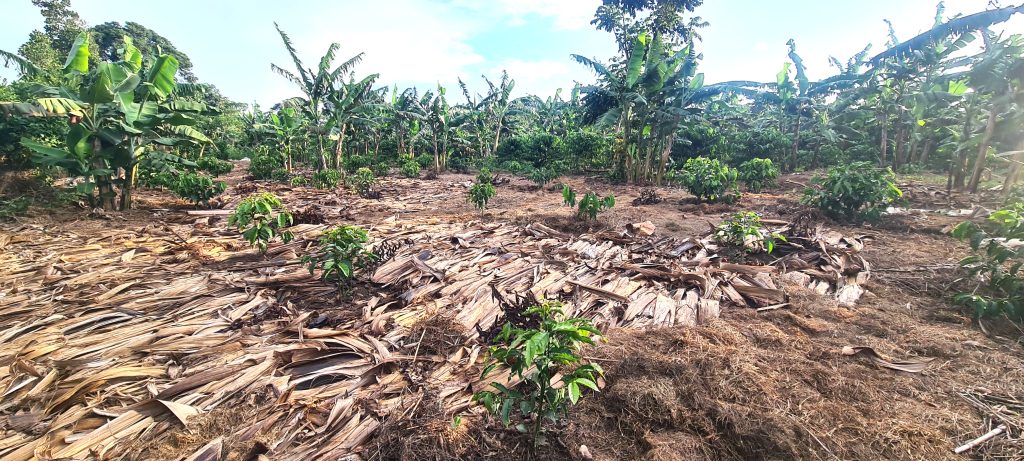
Helps retain soil moisture and reduces irrigation frequency. Apply a 3–4-inch layer of mulch, such as from banana stems or weed mulch, to reduce soil evaporation and keep roots cool.
3.Organic matter enrichment:
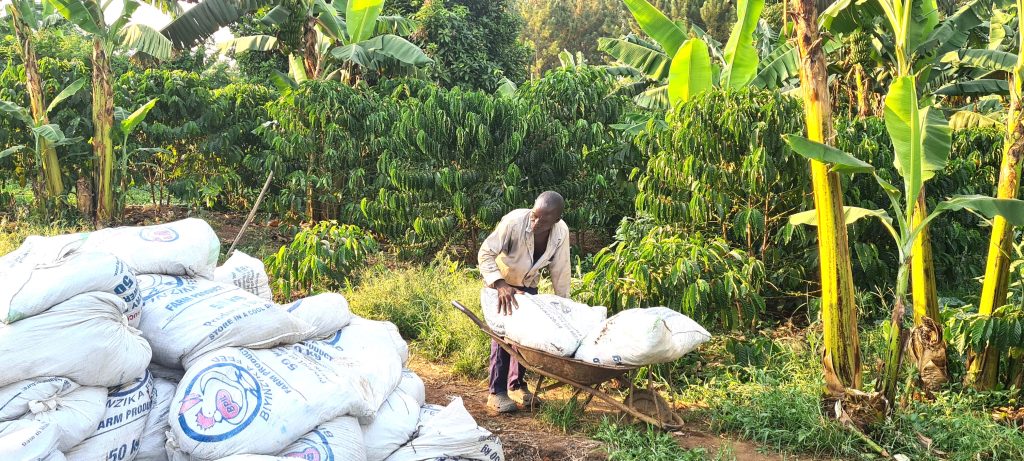
Improves soil water-holding capacity like animal manure, poultry droppings and decomposed organic matter like food
Frequently Asked Questions
When should I not water my plants?
Avoid watering plants when the sun is at its peak, especially midday hours and on some afternoons when temperatures are high.
How to water plants correctly?
Water deeply, less frequently by soaking the soil 6–8 inches deep once or twice a week, rather than shallow daily watering. Apply water to the roots, not to the leaves.
How much should I water my plants?
It will depend on the age of your plants. The young and the newly planted need more water, but not in large volumes to establish a healthy root system, than the established plants, which need a larger amount at one time so that the established roots can thrive deep in the ground.