
The Role of Overripe Chillies, Spoiled Chillies, and Chilli Stalks in Circular Agriculture During Chilli Sauce Processing
In modern agro-processing, sustainability is becoming just as important as productivity. For companies involved in chilli sauce production, one of the greatest opportunities lies not only in producing quality products, but also in managing by-products responsibly through circular agricultural practices.
As the demand for sustainable food production continues to grow, circular agriculture offers an innovative approach to minimising waste while maximising resource efficiency.
What you will learn
In this article, you will learn how circular agriculture transforms what is often considered waste into valuable resources during chilli sauce production.
We explore the role of overripe chillies, spoiled chillies, and chilli stalks, explaining which materials can safely be reused, which should be diverted from food processing, and how they can contribute to composting, soil fertility improvement, and sustainable farming systems.
You will also discover how proper waste management reduces environmental impact, improves resource efficiency, lowers production costs, and supports a more resilient and profitable chilli value chain.
Contents
- Understanding the Different Categories
- The Importance of Circular Practices
- The Importance of Proper Sorting
- Creating a Complete Circular System
In this article, we explore how overripe chillies, spoiled chillies, and chilli stalks can be effectively utilised within a circular agriculture framework and why these often-overlooked materials are essential components of a truly sustainable chilli sauce production system.
During chilli processing, materials such as:
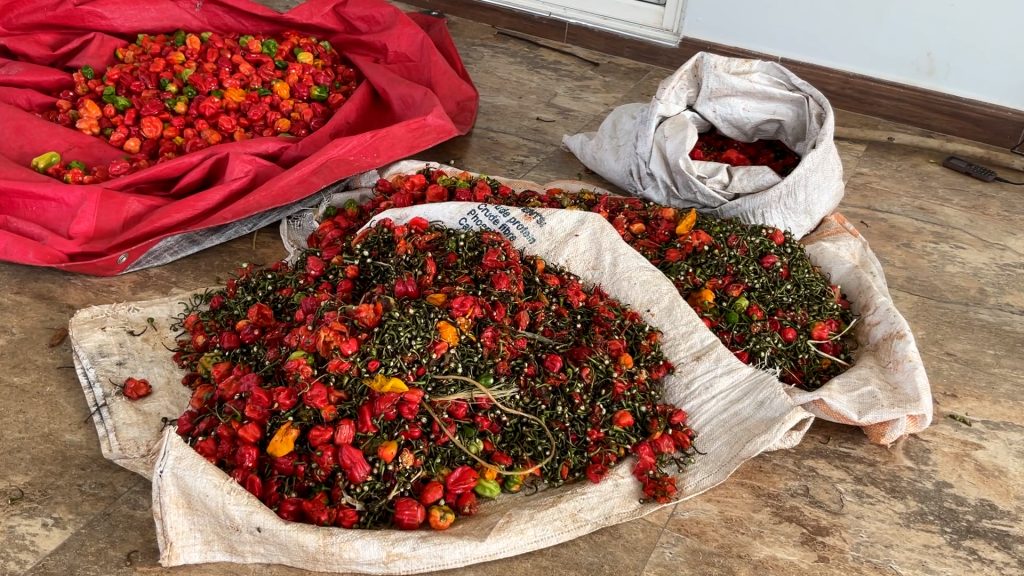
• Over ripe chillies
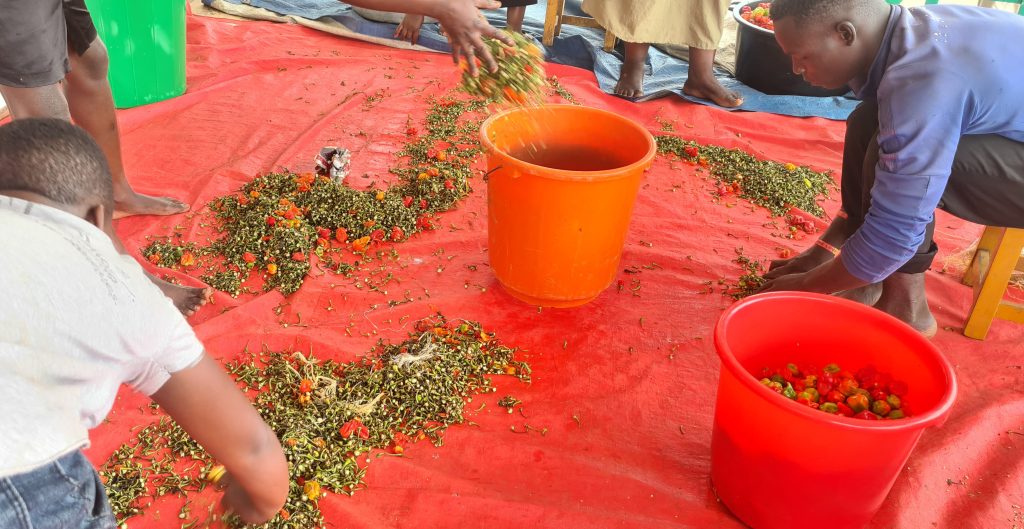
• Spoiled or damaged chillies
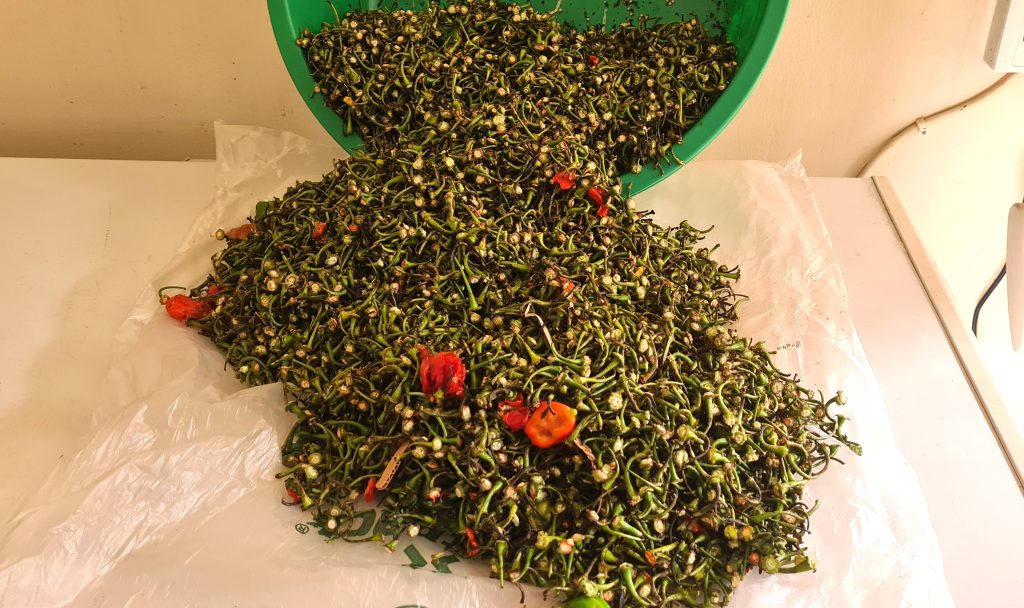
• Chilli stalks and plant residues
They are often viewed as waste. However, in a properly designed circular system, these materials can become valuable agricultural resources when handled correctly.
At D & M Group International Limited, circular agriculture means creating systems where resources continue adding value even after the primary production process.
Understanding the Different Categories
Before discussing their role in circular systems, it is important to categorise these materials
1. Overripe Chillies
These are chillies that have matured beyond the ideal stage for premium processing but may still contain useful organic matter and nutrients.
Characteristics:
- Softer texture
- Deep colouration
- Reduced firmness
- Higher decomposition rate
While some may still be usable depending on quality standards, excessively overripe chillies are often better redirected into non-food circular uses.
2.Spoiled or Rotten Chillies
These include chillies affected by:
- Mould
If your chillies already have visible mould or soft, squishy spots, they are unsafe to eat and must be discarded, but in circular agriculture, they are still important
- Fungal infections
like Anthracnose, Powdery Mildew, and Phytophthora Root Rot are highly destructive diseases that primarily thrive in warm, humid conditions. They cause severe pre- and post-harvest fruit decay, leaf drop, and plant wilting, requiring strict management to prevent total crop loss.
- Physical decay
This is primarily driven by their high moisture content (80–90%) and active post-harvest respiration. Common types of decay include shrivelling (from moisture loss), fungal/bacterial rot, chilling injury from improper cold storage, and diseases like Anthracnose
- Severe bruising or contamination
separating chillies with severe bruising, dark sunken lesions, or signs of mould, as soft spots quickly harbour bacteria and harmful fungal toxins. However, if they are only lightly bruised without cuts or mould, simply cut out the damaged parts and use the rest immediately.
These should never be used directly in chilli sauce production because they may:
- Compromise food safety
It is never safe to consume spoiled or rotten chillies. Once the physical structure or seal of a chilli is compromised, it becomes a high risk for pathogen growth and mycotoxin production, which cannot be cooked out or washed away.
- Affect flavour and shelf life
Instead of a bright, fresh, or tangy lactic flavour, spoiled chillies produce sour, musty, or stagnant odours.
- Introduce harmful microorganisms
Rotten chillies often harbour this mould, which produces aflatoxins, highly toxic and carcinogenic compounds. These toxins survive standard boiling and cooking.
Instead, they should be safely diverted into composting systems.
3.Chilli Stalks and Processing Residues
Chilli stalks are normally removed during processing and are commonly discarded despite being rich in organic material.
These residues can contribute significantly to:
- Compost formation
Composting spoiled or rotten chillies is an excellent way to recycle nutrients, but because of their natural capsaicin and acidity, they must be properly balanced with “brown” carbon materials like dried leaves to maintain a healthy microbial balance.
Only compost chillies that are spoiled from age or over-ripeness. If the parent plant /fruit was infected with viral or severe fungal diseases, do not compost the chillies, as these diseases can spread back to future crops
- Mulching systems
Proper mulching is a highly effective way to prevent and manage spoiling or rotten chillies (such as fruit rot). It acts as a physical barrier between the fruit and the soil, regulates moisture, and stops disease-carrying soil from splashing onto the plants.
- Organic soil improvement
Spoiled or rotten chillies make excellent organic soil amendments, adding essential nutrients and organic matter to your garden. However, because they are highly acidic, spicy (capsaicin), and rot easily, they must be processed correctly.
The Importance of Circular Agricultural Practices
Circular agriculture focuses on minimising waste while maximising value recovery.
Instead of sending organic waste to dumping sites, materials from chilli processing can re-enter the agricultural cycle in environmentally beneficial ways.
1. Compost Production and Soil Fertility Improvement
One of the most important uses of overripe, spoiled, and stalked chillies is compost production.
When properly decomposed:
- Organic matter enriches the soil
Enriching your garden soil with organic matter is a sustainable way to recycle waste. Overripe chillies, spoiled chillies, and their stalks can be transformed into nutrient-rich amendments, provided they are managed correctly to avoid pests or disease
- Soil microbial activity improves
Composting overripe and spoiled chillies, along with stalks, is highly effective. Soil microbial activity breaks down these agricultural wastes—converting capsaicin and fibrous stalks into nutrient-rich humus. This creates an organic fertiliser that enhances soil health and improves future crop yields
- Soil structure becomes healthier
Overripe chillies, spoiled chillies, and plant stalks are excellent for improving your soil when properly composted. They add valuable organic matter, nitrogen, and moisture, which work together to build healthy soil structure, improve water retention, and encourage beneficial microbial activity
This reduces dependence on synthetic fertilisers while improving long-term soil productivity.
2. Supporting Sustainable Crop Production
Healthy compost produced from chilli residues helps:
- Improve water retention in soils
- Reduce erosion
- Support stronger root development
- Increase resilience during dry periods
This creates healthier farming systems for future chilli and tomato production.
3. Reducing Environmental Pollution
Improper disposal of organic processing waste can cause:
- Bad odours
They are typically caused by anaerobic bacteria (microorganisms that thrive without oxygen) breaking down rotting food and other materials. This rapid biological breakdown produces noxious gases and compounds, such as hydrogen sulfide (rotten egg smell), ammonia, and volatile organic compounds
- Methane emissions
When organic waste like food scraps and yard trimmings is improperly disposed of in landfills or open dumps, it breaks down without oxygen (anaerobically). This process generates methane, a potent greenhouse gas that is roughly 28 times more warming than carbon dioxide over 100 years
- Pest attraction
Food scraps and yard trimmings create ideal breeding grounds and food sources for flies, cockroaches, ants, and rodents. Decaying matter emits odours that attract these pests, which can subsequently spread dangerous pathogens to humans.
- Water contamination
occurs when decaying matter, agricultural runoff, or raw sewage leach into surface water or groundwater. This causes severe eutrophication, rapid algal blooms that block sunlight and deplete oxygen levels, creating “dead zones” where aquatic life cannot survive.
Circular systems prevent this by transforming waste into useful agricultural inputs.
This improves environmental sustainability and keeps processing operations cleaner and more efficient.
4. Lowering Production Costs
Organic compost produced internally can help reduce costs associated with:
- Purchasing chemical fertilisers
- Waste disposal management
- Soil conditioners
For agribusinesses, this creates both environmental and economic value.
The Importance of Proper Sorting
While circular agriculture encourages reuse, not all materials should be handled the same way.
Food-Grade Materials
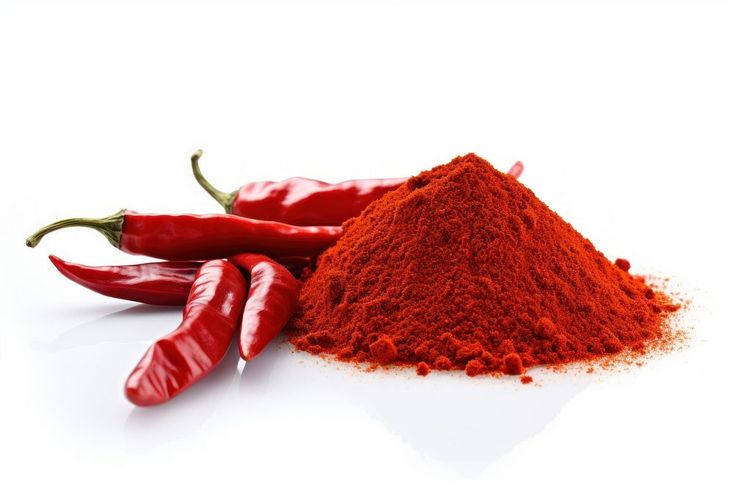
Healthy ripe chillies should go into processing for:
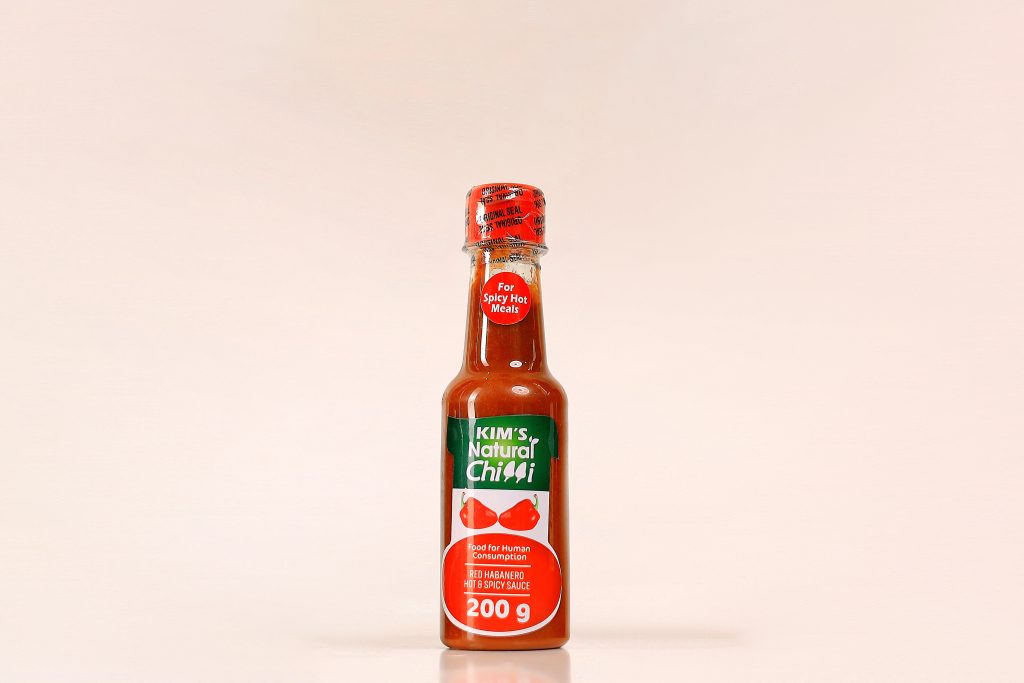
Chilli sauce
Chilli oil
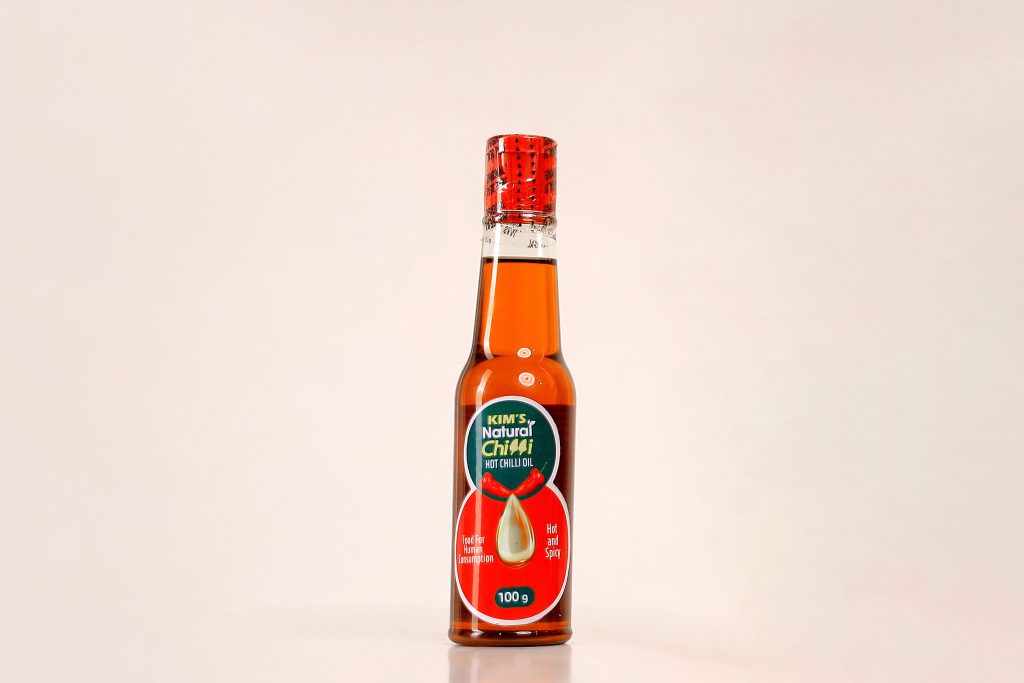
Other value-added products
Compost-Grade Materials
Spoiled or unsafe chillies should instead be directed toward:
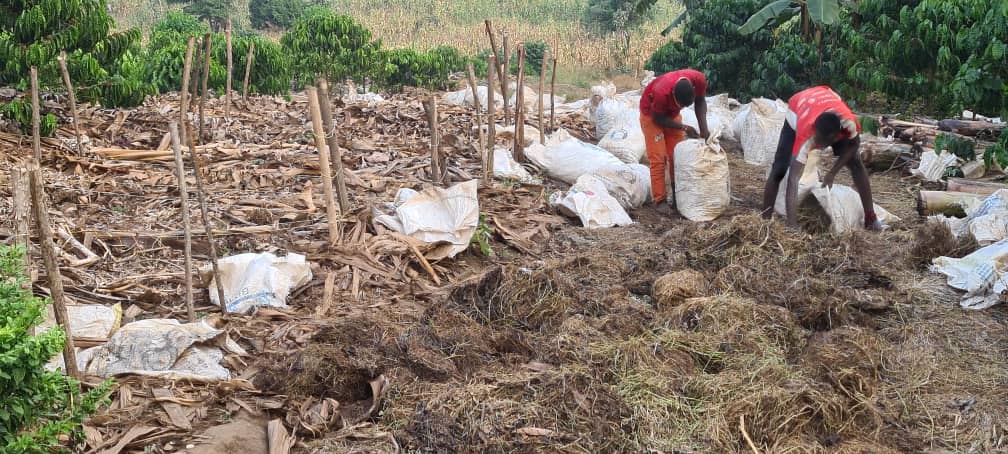
- Compost systems
- Organic decomposition areas
- Soil regeneration processes
Proper separation protects both consumers and farm ecosystems.
Creating a Complete Circular System
An effective circular agricultural model connects:
- Farming
- Processing
- Waste recovery
- Soil regeneration
This creates a continuous cycle where nutrients return to the farm instead of becoming environmental waste.
In chilli processing, every stage can contribute to sustainability when managed responsibly.
Summary
Circular agriculture focuses on maximising resource efficiency while minimising waste throughout the agricultural value chain.
In chilli sauce production, not all harvested chillies meet processing standards. Overripe chillies, spoiled chillies, and chilli stalks are often removed during sorting and quality control to ensure food safety and product consistency.
Rather than treating these materials as waste, circular agriculture promotes their transformation into valuable resources. Chilli stalks and spoiled chillies can be composted to produce organic manure, improving soil fertility and reducing dependence on synthetic fertilisers.
Overripe chillies that are still safe for use may be diverted into alternative value-added products where appropriate, while unsuitable material can be incorporated into composting systems.
Building Sustainable Agriculture One Cycle at a Time
Healthy farms begin with healthy systems, and healthy systems are built through responsible circular practices.