
The Best Agricultural Circular Integrated Pest Management (IPM)
Modern agriculture is increasingly focused on producing more food while reducing waste, lowering production costs, and protecting the environment. One approach that is gaining momentum is circular agriculture, where resources already available on the farm or within the local community are used efficiently before new inputs are purchased.
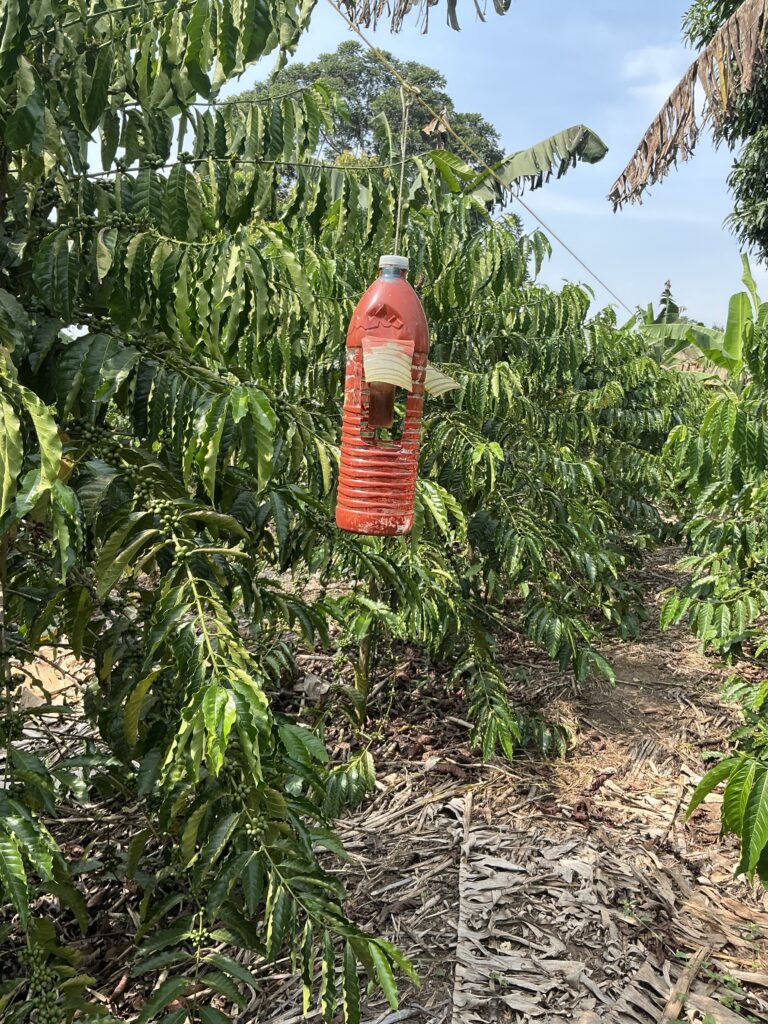
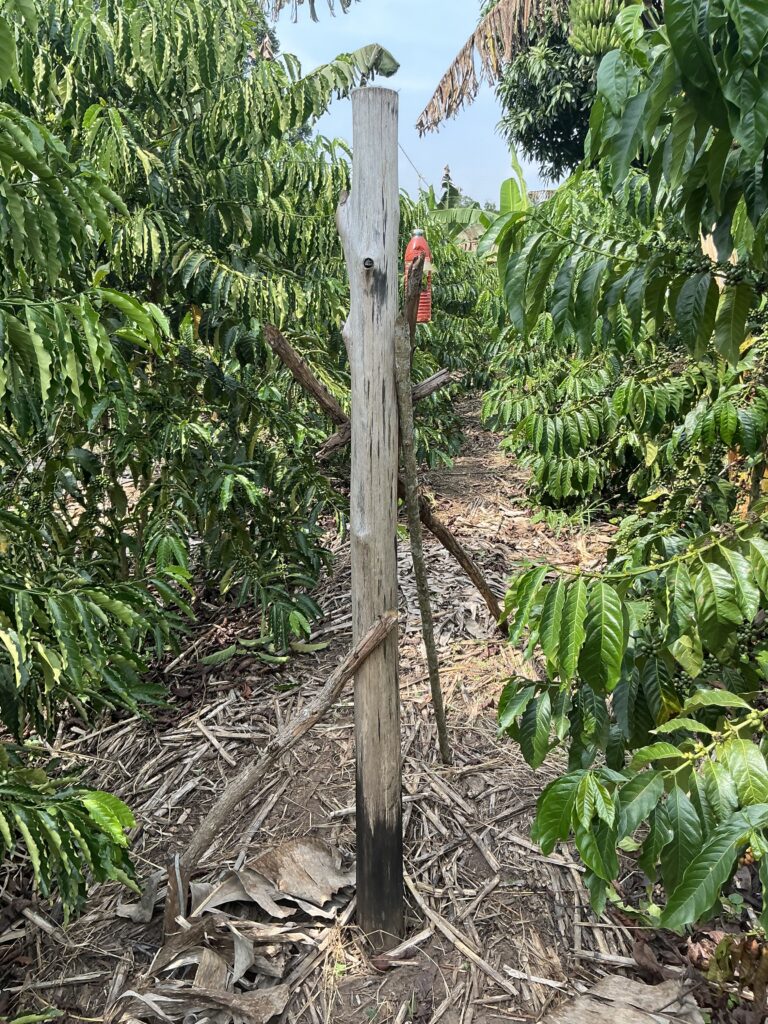
One practice that some smallholder farmers in Uganda have explored is using locally produced spirit (high-proof alcohol) as part of homemade insect-management solutions. While this is not a replacement for registered crop-protection products and should always be tested carefully on a small area first, it illustrates how locally available materials can sometimes contribute to a broader Integrated Pest Management (IPM) strategy.
What you will Learn
- Agricultural circular practises
- Integrated Pest Management
- Advantages of Using Local Spirits as Insect Repellent
- Other Circular Practices
- Pre-Cautions to take with spirits
Integrated Pest Management (IPM)
A sustainable, ecosystem-based strategy focusing on long-term prevention of pests through a combination of biological control, habitat manipulation, and cultural practices.
Understanding Circular Agriculture
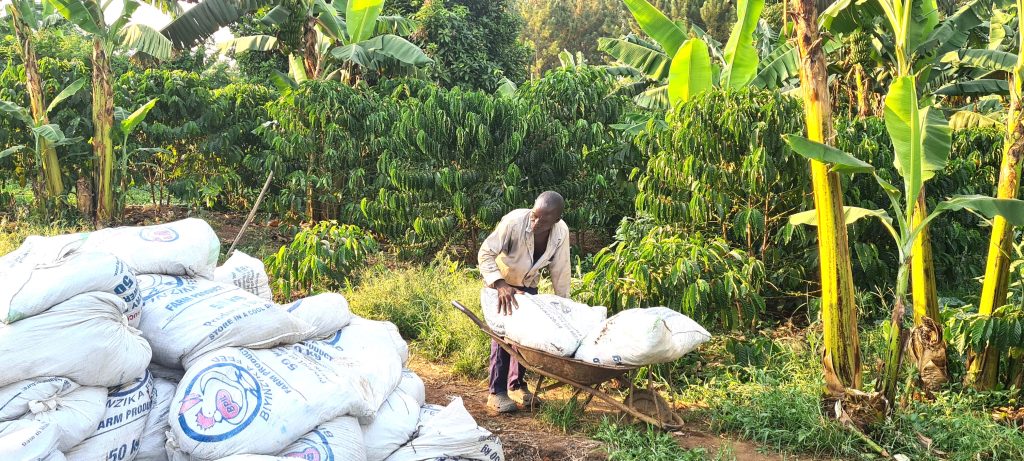
Circular agriculture aims to minimise waste by keeping resources in use for as long as possible. Instead of relying solely on expensive external inputs, farmers seek safe, practical ways to recycle or repurpose available materials.
Examples include:
- Composting crop residues into organic fertiliser.
- Recycling livestock manure to improve soil fertility.
- Harvesting rainwater for irrigation.
- Using plant-based extracts for pest management where appropriate.
- Converting agricultural by-products into value-added products.
The objective is to improve farm productivity while reducing unnecessary waste and costs.
Why Some Farmers Consider Local Spirit
High-proof alcohol can act as a solvent, helping dissolve certain natural plant compounds when preparing botanical extracts. It can also kill some soft-bodied insects on direct contact by disrupting their protective outer layer. However, its effectiveness depends on the target pest, concentration, and application method, and excessive concentrations can damage crops.
For these reasons, local spirit should be viewed as one possible component of an integrated pest management programme rather than a universal solution.
Potential Advantages
- Supports Low-Cost Farming
Where appropriate and economically viable, locally sourced materials may reduce dependence on imported pest-control products, particularly for smallholder farmers with limited budgets.
- Fits Circular Agriculture Principles
Using locally available resources responsibly can help reduce waste and encourage farmers to make better use of materials already present within their farming systems.
- Can Be Used with Botanical Extracts
Some farmers use alcohol as a solvent when preparing extracts from plants such as chilli, garlic, or neem. Alcohol can help extract certain compounds before the mixture is diluted for use. Care should always be taken to follow reliable agricultural guidance and test mixtures before wider application.
- Useful for Spot Treatment
Direct application may help suppress small populations of soft-bodied insects on affected plants. Because alcohol can also injure plant tissue, it should be applied cautiously and not sprayed broadly without prior testing.
- Encourages Innovation
Circular farming encourages farmers to observe, experiment responsibly, and adapt practices to local conditions using evidence and extension advice.
Integrating with Other Circular Practices
The greatest benefits come from combining multiple sustainable practices:
- Compost organic waste to improve soil fertility.
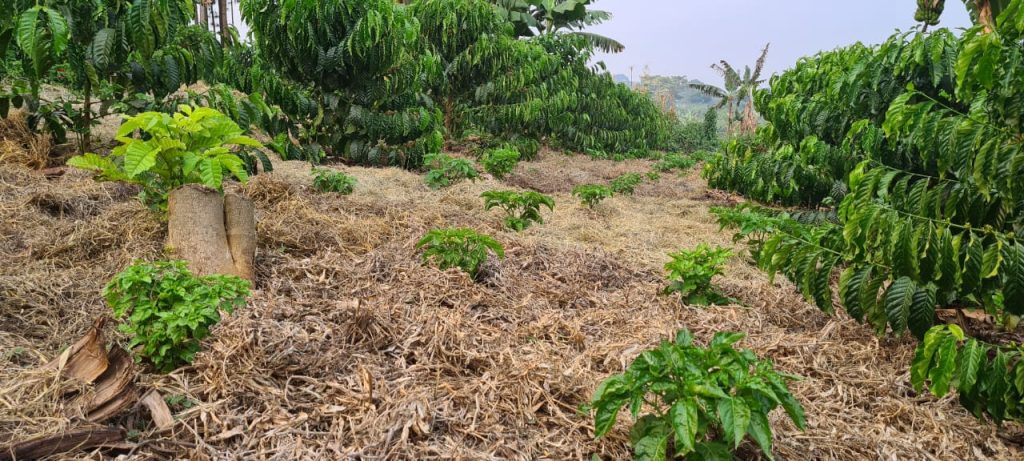
- Apply mulch to conserve moisture.
- Rotate crops to interrupt pest life cycles.
- Encourage beneficial insects through flowering plants.
- Maintain field sanitation by removing heavily infested plant material.
- Use resistant crop varieties where available.
- Monitor pest populations before deciding on control measures.
Together, these practices strengthen farm resilience while reducing unnecessary pesticide use.
Responsible farming requires balancing innovation with safety.
When considering homemade pest-management mixtures:
- Test any solution on a few plants before wider application.
- Avoid spraying during the hottest part of the day to reduce the risk of leaf damage.
- Keep alcohol away from flames and other ignition sources because it is highly flammable.
- Wear appropriate protective equipment during preparation and application.
- Follow local agricultural regulations and extension recommendations.
- Seek guidance from qualified agronomists before using homemade formulations on commercial crops.
KEY TAKEAWAYS
The future of agriculture lies in systems that are productive, resource-efficient, and environmentally responsible. Circular agriculture encourages farmers to think differently about the resources around them while combining traditional knowledge with scientific research and integrated pest management.
As farmers continue adopting circular practices, innovation should always be guided by safety, evidence, and sustainability. Every resource used wisely contributes to healthier crops, lower production costs, and stronger farming communities.
When we transform local resources into practical farming solutions while following good agricultural practices, we move one step closer to a more resilient and sustainable agricultural future.